Team Corner for Fall 2025
The lab is thrilled to welcome our undergraduate research team assisting with multiple projects: Welcome (and welcome back*) Sophia M., May*, Logan*, Wesley*, Deborah*, Julia*, Allison*, Halle, Natalia F., Tamarine, Isobel, Remus, Brendan M, Madelyn, Ashley, Delaney, Katya, Brendan H., Madison, Sophia B., Natalia C., Aysia, Gabriella, Miguel, Isabella, and Kendall.
Rick’s Corner
This fall Rick is teaching Advanced SEM and Meta Analysis classes. Rick is working closely with Landon and Rachelle on publications and also Rachelle’s dissertation prospectus. Additionally we are ramping up a new meta-analysis on Reading Comprehension and Executive Functioning.
Fotena’s Corner
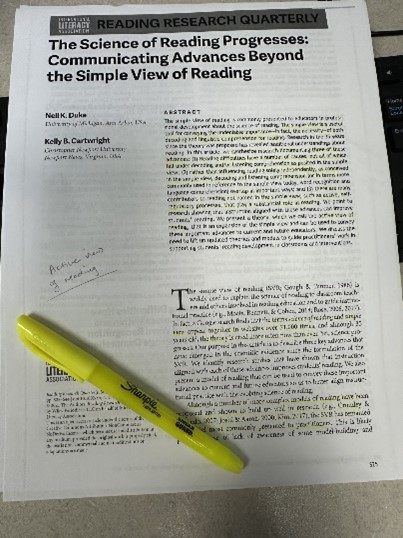
In addition to the administrative aspects of running the WagnerLab, I am creating a history of the simple view of reading (SVR) and how it has evolved over time. Concurrently I am looking at alternate, research supported, other models of reading comprehension. Finally, I am reviewing articles on the study and understanding of reading development in the brains of people who read well and those who have dyslexia.
Dorota’s Corner
I am currently working on two projects that use advanced models and meta-analysis to better understand cognitive health. The first focuses on predicting Alzheimer’s disease using cognitive skills. Our recent work shows that spatial navigation tests are a promising early marker for Mild Cognitive Impairment, which often precedes Alzheimer’s. Building on these findings, we are developing a model-based meta-analysis to compare different predictors of Alzheimer’s disease and identify which ones make unique contributions to early and accurate diagnosis. The second project examines dyslexia and specific reading comprehension difficulties.

Rachelle’s Corner
Rachelle is working on her dissertation prospectus and also thinking about life after graduate school. She is currently on the job market, open to both faculty and postdoc positions. Rachelle research interests are how children’s home, school, emotional, and sociocultural contexts act as risk and resilience factors in their reading development. Thus far, this research has resulted in 9 publications in refereed journals. Learn more about Rachelle’s research at the following links:
LinkedIN: http://www.linkedin.com/in/rachelle-johnson-44b79610a
Website: https://rachellemjohnson.wordpress.com/
Google scholar: https://scholar.google.com/citations?user=P_jkKUwAAAAJ&hl=en
Landon’s Corner
Landon is currently conducting a meta-analysis on the effects of text-to-speech (TTS) technology on reading comprehension. This project builds on and extends prior work by including more recent studies, with the goal of providing a more complete and up-to-date picture of how TTS impacts students’ understanding of text. The research addresses broad questions such as whether TTS benefits students with reading disabilities, how its effects compare for typically developing students, and what factors might influence outcomes across different contexts. This project serves as Landon’s Master’s thesis and is designed to contribute both to academic knowledge and to practical discussions about the role of assistive technology in education.
Construction COMPLETE!
We Will Continue Working to Update the Website with More Information and Resources
We look forward to finding new ways to fund our work on dyslexia and tools to help readers (such as assistive technology). We have added information about how you can support us through the FSU Psychology Department Lab Fund (F09778 The Psychology Lab Fund, simply earmark that your donation be used for our work at the WagnerLab).
We have built a page on the website about dyslexia — facts and misconceptions and highlighting ours and other’s research that supports accurate information about dyslexia and what works to help dyslexic readers.
As we are a practical, solution-oriented team, we will also provide information about what works, what lies ahead and what policy makers need to know.
What we can’t provide (though we can make some suggestions of where to find this information) is testing or specific guidance for individuals with dyslexia. We hope that you will be excited about our work and willing to support us financially as other sources of funding become less predictable and stable.
Our work is in Year 18 of a 20 year old process and we have learned and published so much. We really do want to see our work come to fruition. You can help! Please feel free to reach out to us on our contact page, or call 850-645-7428 or email zirps@psy.fsu.edu.
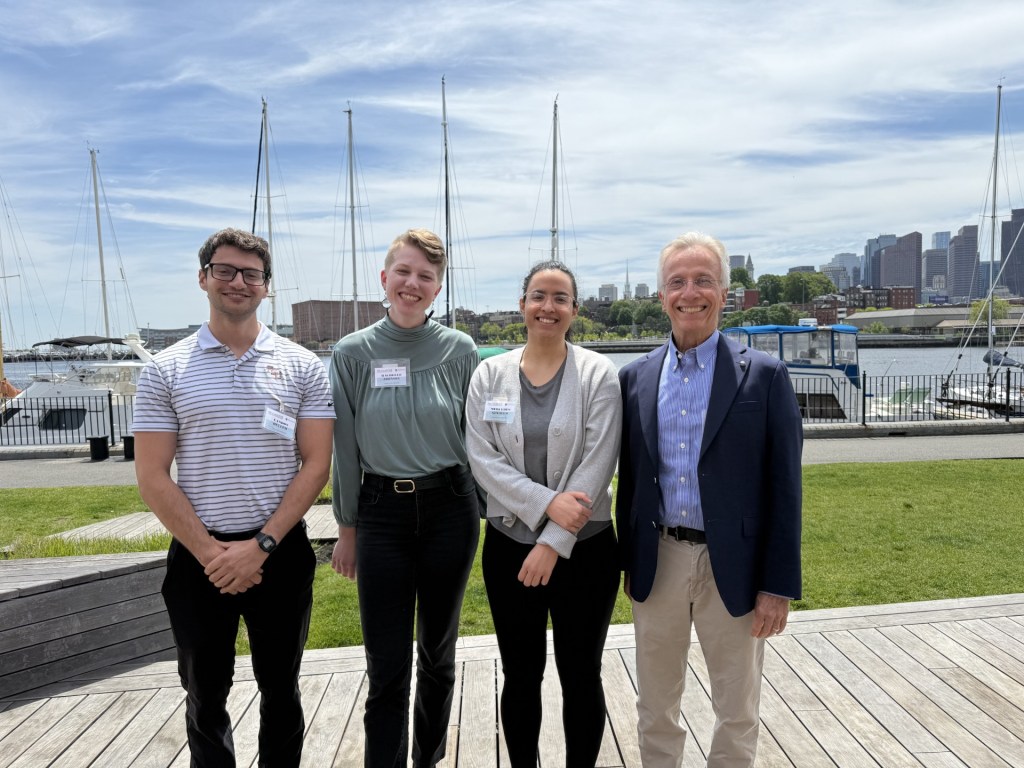
Rick, Mercedes, Landon and Rachelle at the Collective Meeting in Boston!
In May, 2025 Rick, Dr. Mercedes Spencer (our research partner at Northwestern), Landon and Rachelle (our graduate students) attended the Collective Meeting in Boston.
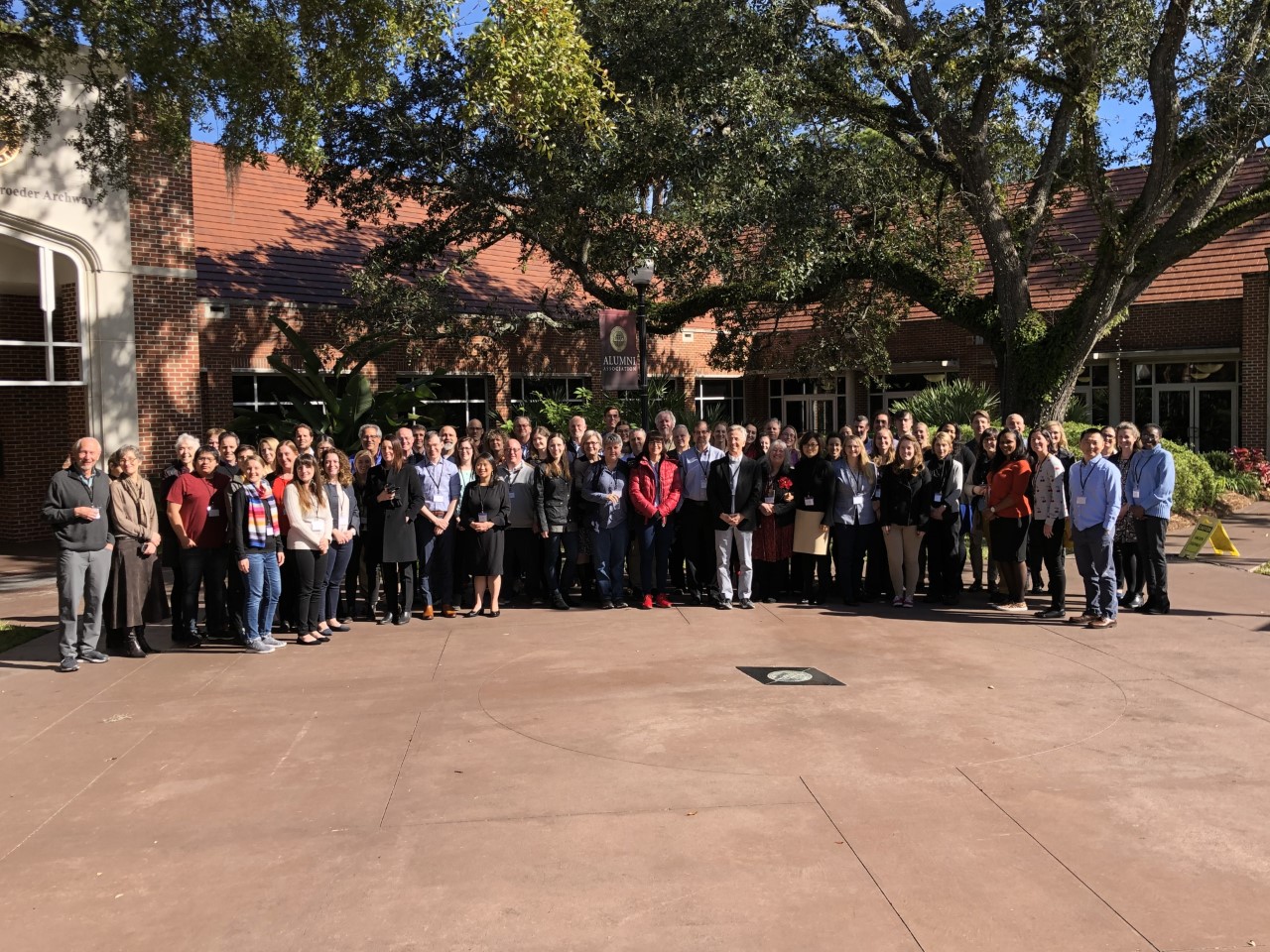
This is a picture of the FLDRC meeting held here in Tallahassee.
Behind us is the Alumni Center who did a fabulous job hosting us. Thanks to all who attended and to the Alumni Center, Andrews Catering, the wonderful folks at PSY in FSU where we had a great poster session and to the Doubletree and Mike’s Limo. It is a whole lot of work to host an 80 person meeting, but great ideas were shared and there was a sense of synergy and collegiality among all the participants. The poster session for students and early career researchers was especially dynamic.
Here are a few other pictures of the meeting.
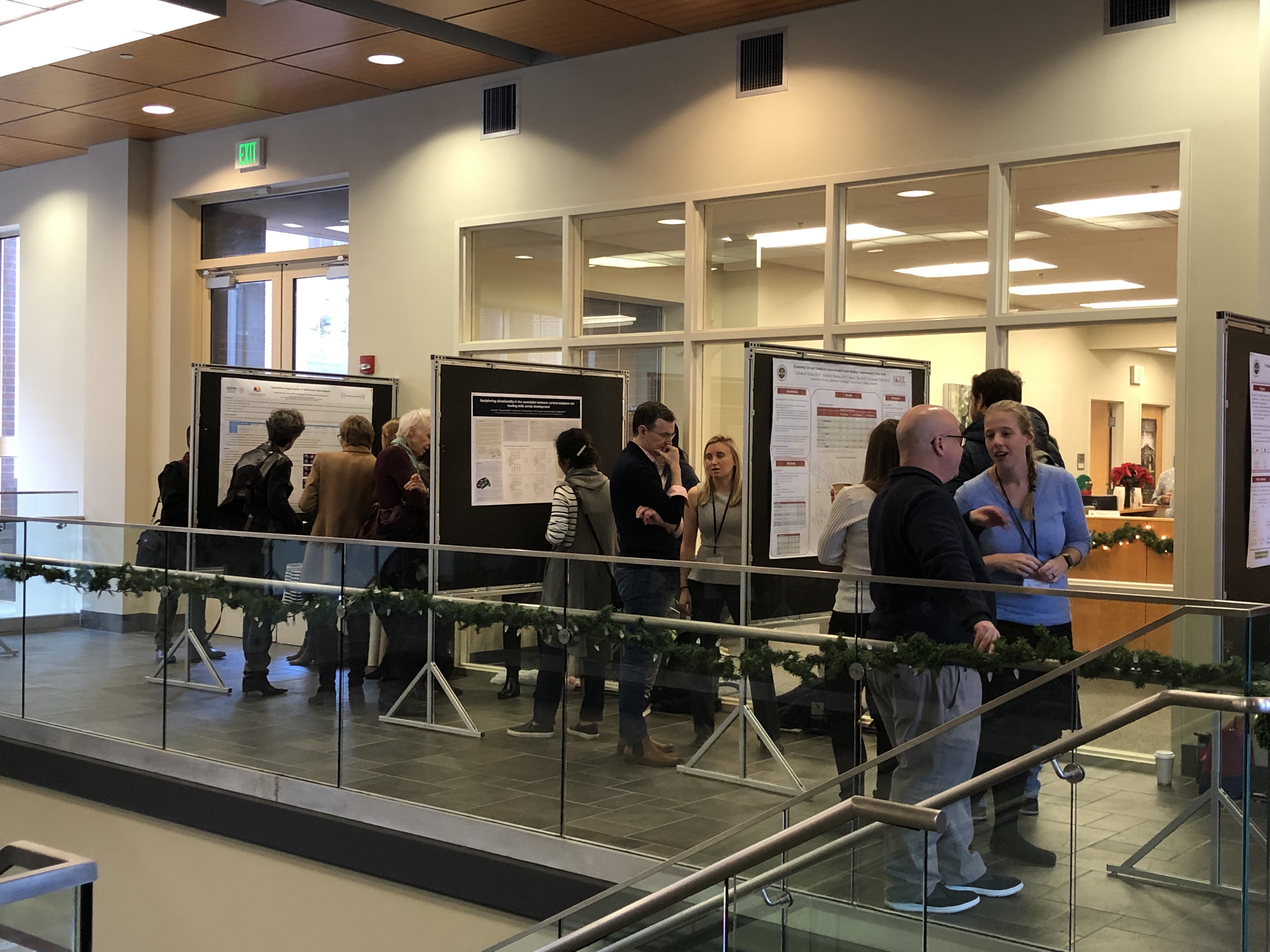

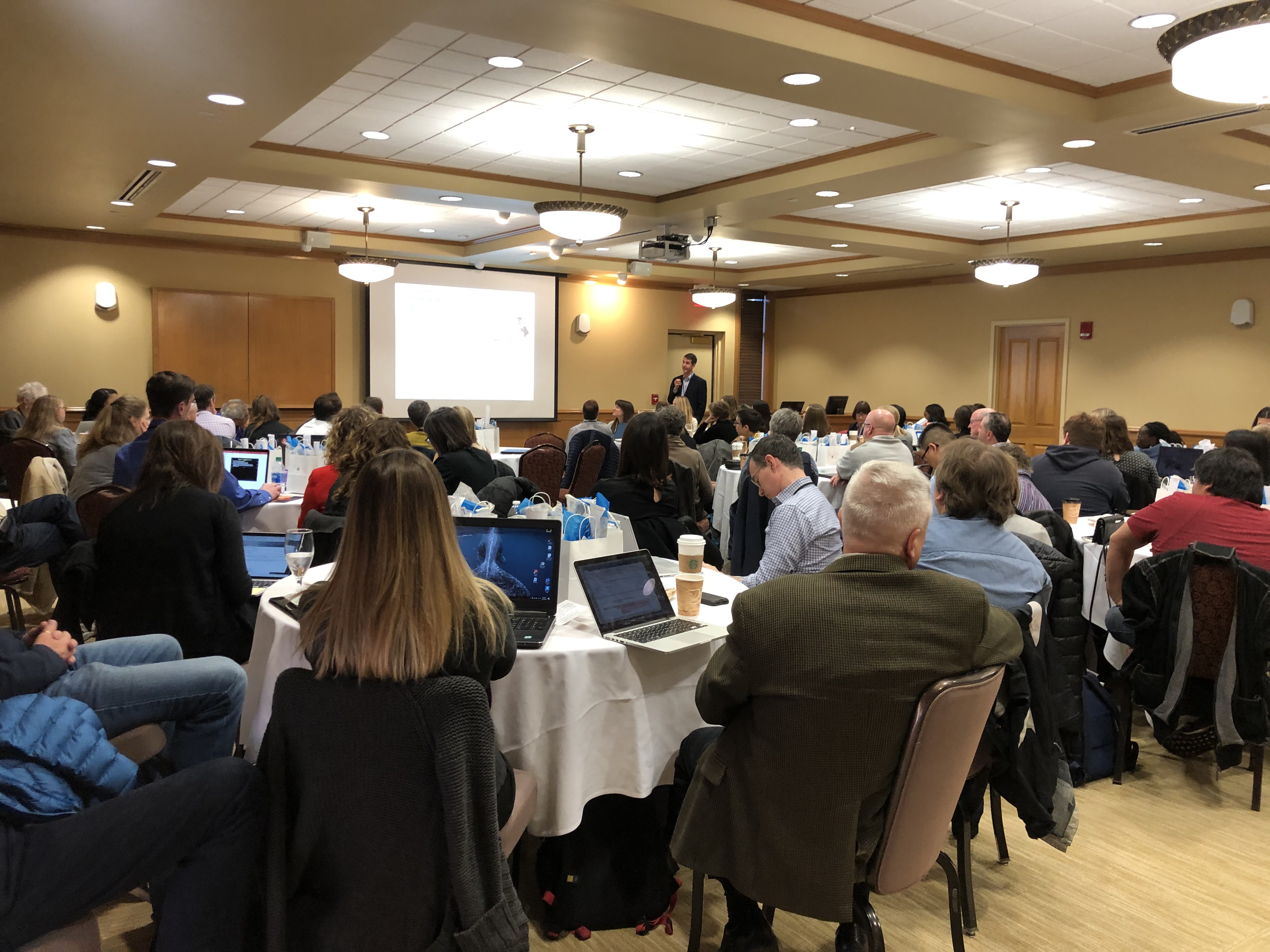
Sarah Wood, Doctoral Student, wins dissertation support from APA and FSU

Congratulations Sarah! She was selected as a recipient of a 2019 American Psychological Association (APA) Dissertation Research Award be used to help offset dissertation research costs. This award is $1000. Sarah was also given an FSU dissertation award of $200. Sarah’s dissertation is looking at speech-to-text technology for students with dyslexia. It will provide helpful information about whether these tools are of benefit in assisting students with reading challenges and also how their use can be beneficial in understanding dyslexia.
2019 has been a great year for publications from the lab.
Rachel and Rick have a publication regarding the co-occurrence of reading disabilities and math disabilities in the journal Scientific Studies of Reading. doi: 10.1080/10888438.2019.1593420.
In May 2019, Rick, Antje, Rachel, Sarah and Fotena (with Ashley Edwards and Chris Schatschneider) have a publication, Combining old and new for better understanding and predicting dyslexia, in New Directions for Child and Adolescent Development. doi: 10.1002/cad.20289
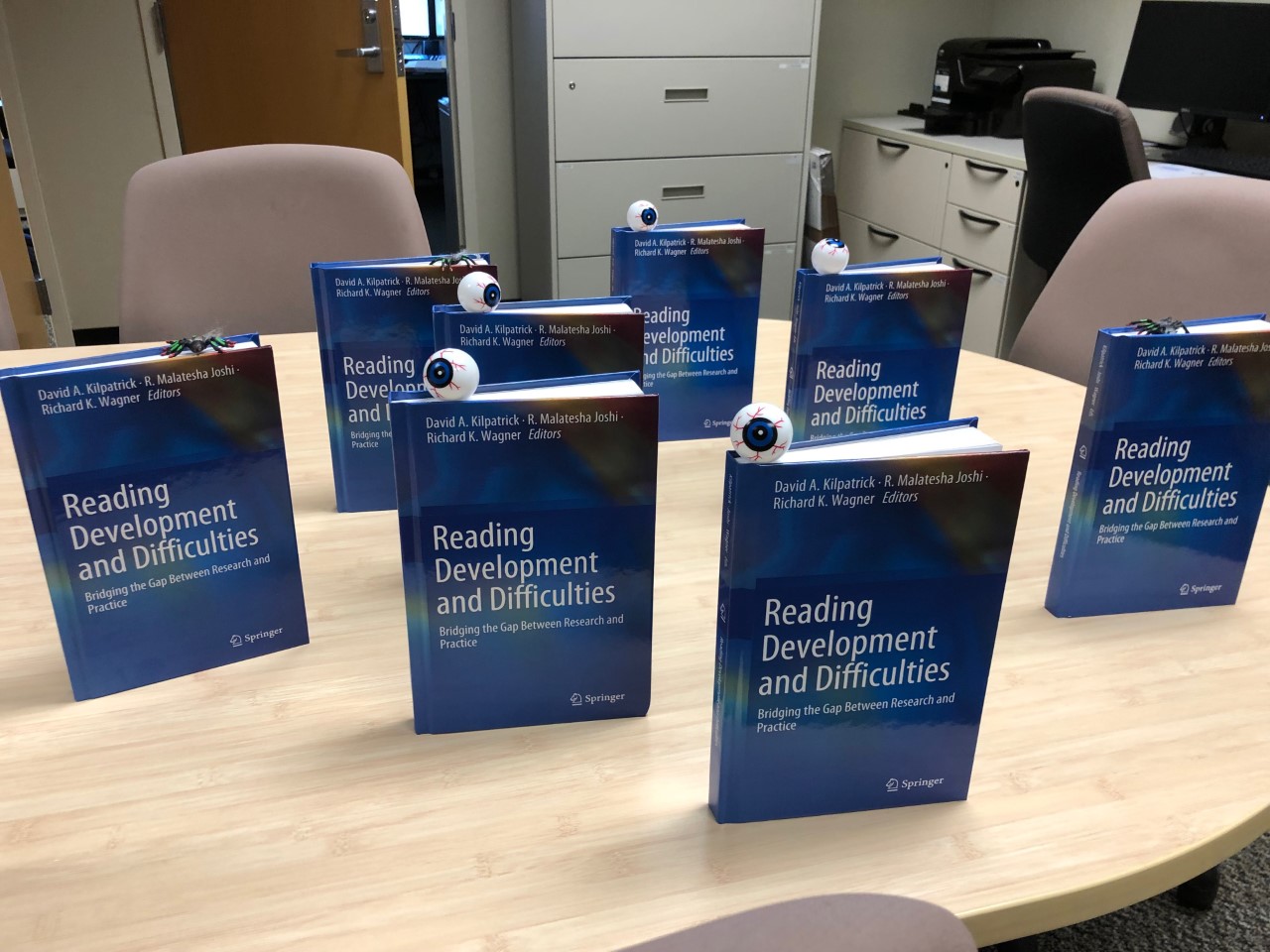
And in 2019 a chapter was included in Rick’s (one of the editors) book, Reading Developmental and Difficulties: Bridging the Gap Between Research and Practice.
The writing team included Rick, Antje, Sarah, Rachel and Fotena and our friends Chong Zhong, Poh Wee Koh and Sunaina Shenoy.
The FLDRC is excited to embark upon our third cycle of research as part of the NIH LDRCs.
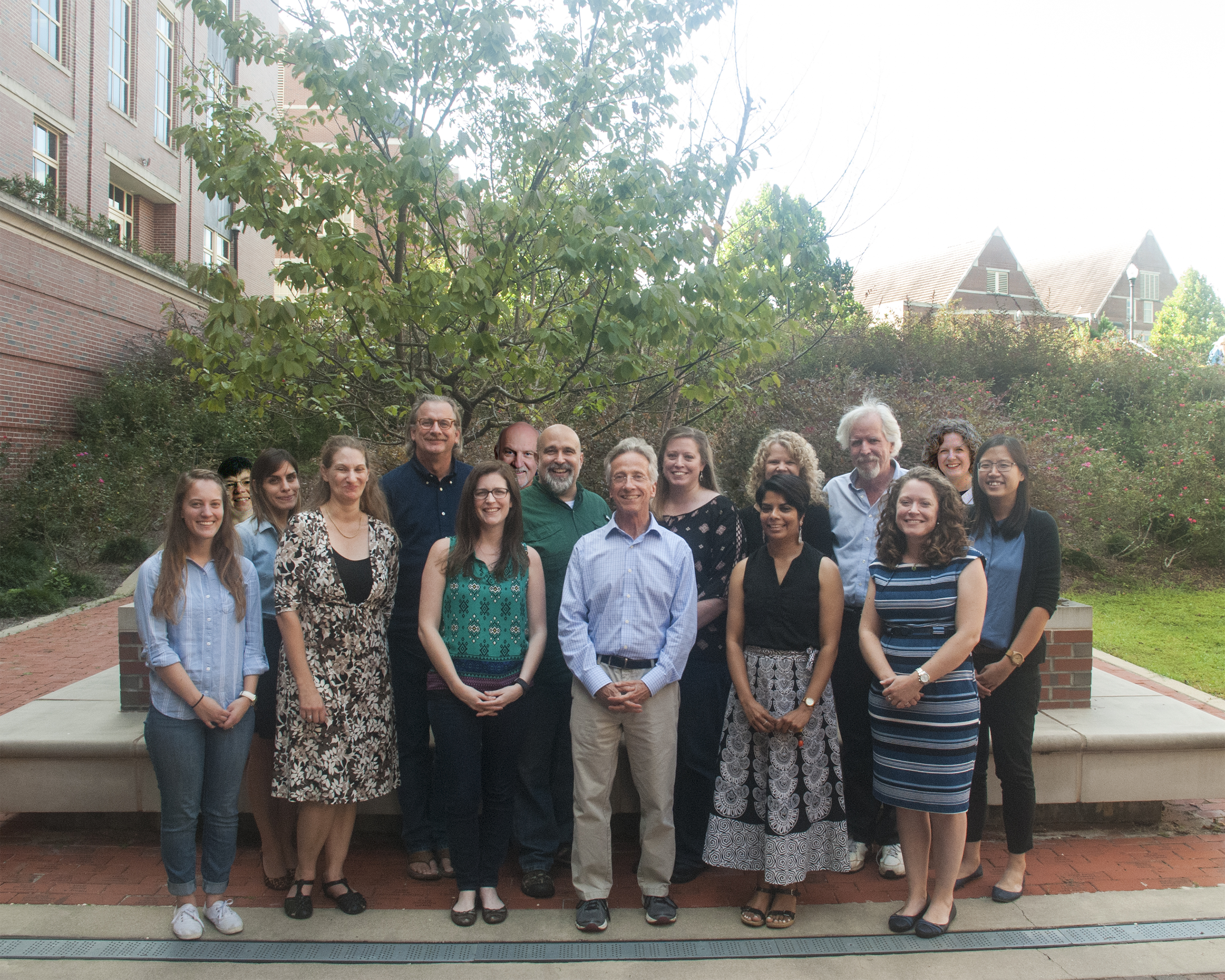
A Florida State University-based research team studying the best ways to help students with learning disabilities has received an $8 million grant from the Eunice Kennedy Shriver National Institute of Child Health and Human Development.
The $8 million grant will be spread out over five years and fund research at Florida State as well as several other partner institutions under Wagner’s lead including Haskins Laboratories, University of California at Irvine, University of California at San Francisco, University of Washington, Vanderbilt University, Purdue University, University of Oregon, Yale and Southern Methodist University.
The grant is a continuation of work that the Florida Learning Disabilities Research Center — housed within the Florida Center for Reading Research and the College of Arts and Sciences — has done for the past 10 years. The center has had 10 years of continuous funding from NICHD and this grant extends that another five years. It is one of only three NICHD Learning Disabilities Research Centers in the country.
 WagnerLab